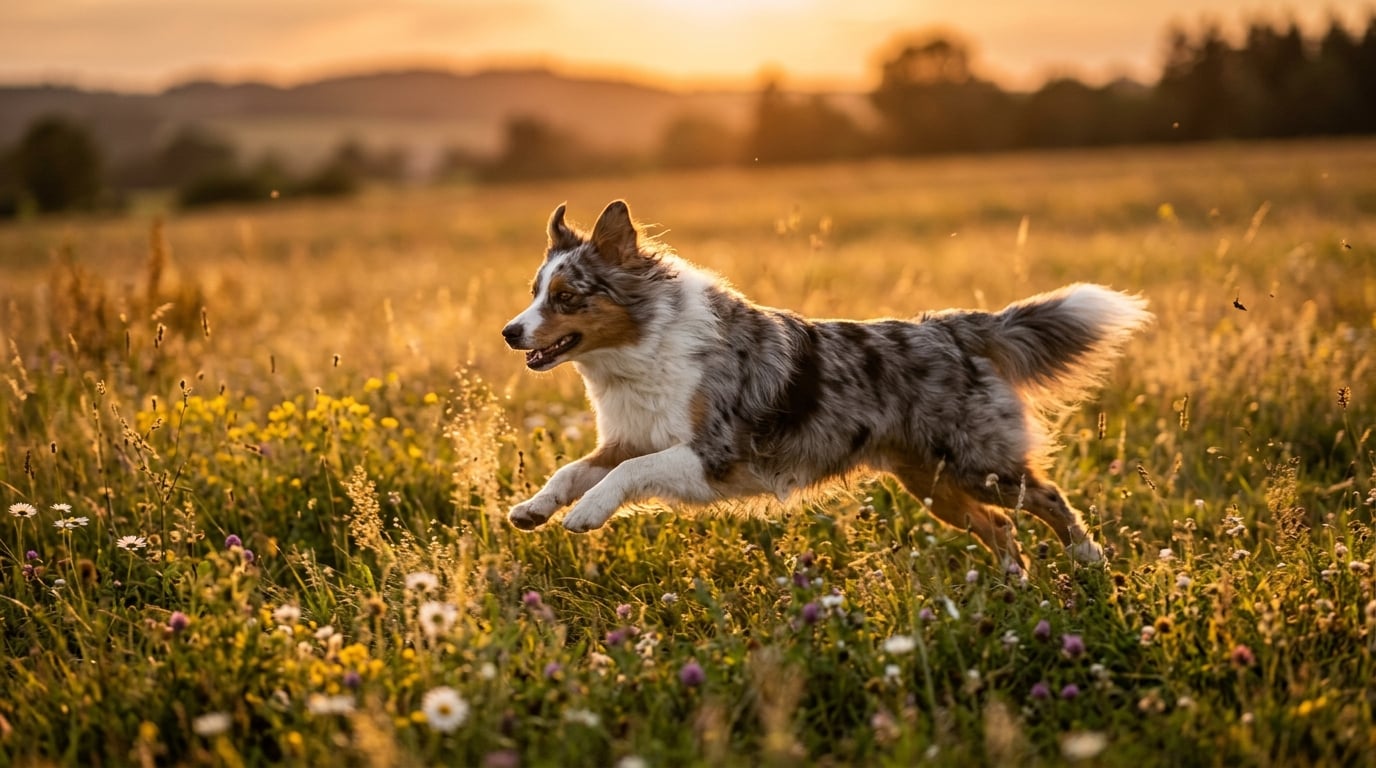
Exercise Is Not Optional
Under-exercised dogs develop behavior problems: destructive chewing, excessive barking, hyperactivity, and anxiety. But more is not always better. Over-exercising, especially in growing puppies or senior dogs, can damage joints. The goal is consistent, appropriate activity matched to your dog's needs.
Exercise by Breed Group
Sporting and herding breeds (Labradors, Border Collies, Australian Shepherds) typically need 60 to 90 minutes daily. Working breeds (Huskies, German Shepherds) need similar amounts with mental challenges. Toy and brachycephalic breeds (Bulldogs, Pugs) may need only 20 to 30 minutes of gentle activity.
Signs Your Dog Needs More Exercise
Weight gain, restless pacing, excessive licking or chewing, difficulty settling at night, and destructive behavior when left alone can all indicate insufficient physical activity. If your dog zooms around the house at full speed for no apparent reason, they probably need a longer walk.
Building a Routine
Split exercise into two daily sessions rather than one long burst. Combine walking with fetch, swimming, or structured play. Add mental stimulation through training, puzzle feeders, and scent games. On rest days, focus on shorter walks with more sniffing time.
Sources & References
Happy Waggie Tails Editorial Team
Certified Pet Care Writers & Canine Health Specialists
The Happy Waggie Tails editorial team comprises experienced pet care writers and certified canine professionals who collaborate with licensed veterinarians to deliver accurate, practical, and compassionate dog care content for every life stage.
This article is part of our
Adult Dog Care Guide