Why Timing Matters
Puppies physically cannot hold their bladder for long periods. At 8 weeks, expect a maximum of about 2 hours. By 16 weeks, most puppies can manage 4 hours. Building a schedule around these physical limitations is the key to fast, frustration-free potty training.
Weeks 8-10: Establishing the Routine
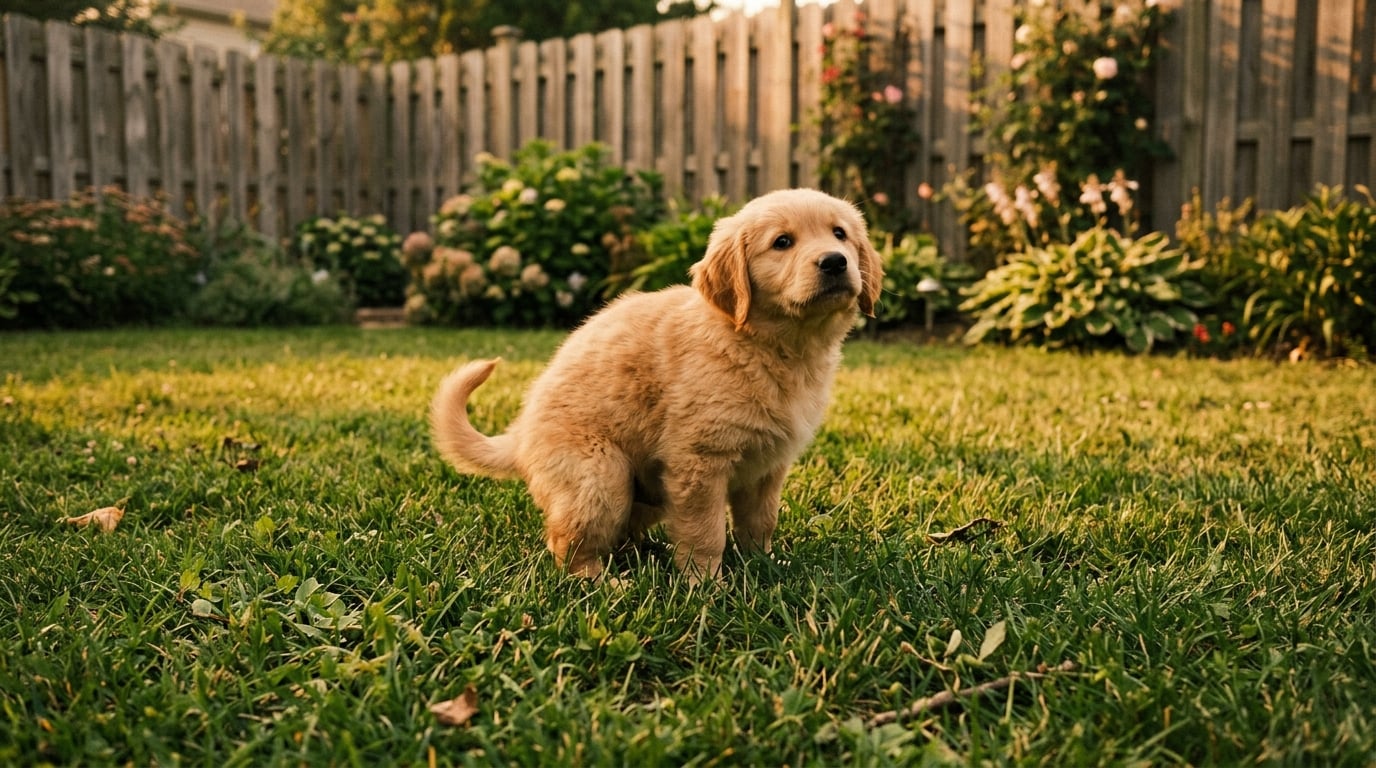
Take your puppy outside immediately after waking, eating, drinking, and playing. Use the same door and the same outdoor spot every time. When your puppy eliminates outside, reward immediately with calm praise and a small treat. Never punish accidents — clean them with an enzymatic cleaner and move on.
Weeks 10-14: Building Reliability
Gradually increase the time between trips outside as your puppy shows they can hold it. Watch for circling, sniffing, or moving toward the door. If you catch your puppy about to go inside, interrupt gently and carry them outside. Start using a verbal cue like "go potty" just before they eliminate.
Weeks 14-20: Gaining Independence
Most puppies are reliably house trained between 4 and 6 months, though setbacks are normal during teething and growth spurts. Continue rewarding outdoor success and supervising indoors. If you cannot watch your puppy, use a crate or playpen to prevent unsupervised accidents.
Common Mistakes to Avoid
Never rub your puppy's nose in an accident. Do not punish after the fact — dogs cannot connect punishment to something they did minutes ago. Do not expect overnight reliability before 6 months. And make sure you are going outside frequently enough for your puppy's age.
Sources & References
Happy Waggie Tails Editorial Team
Certified Pet Care Writers & Canine Health Specialists
The Happy Waggie Tails editorial team comprises experienced pet care writers and certified canine professionals who collaborate with licensed veterinarians to deliver accurate, practical, and compassionate dog care content for every life stage.
This article is part of our
Puppy Care Guide