Why Body Language Matters More Than Words
Dogs do not have words, but they are constantly communicating. Every ear position, tail angle, weight shift, and facial expression carries meaning. Most behavior problems — including bites — happen because humans miss or misread these signals. Learning to read your dog's body language is one of the most important skills any dog owner can develop, and it costs nothing but attention.
The Relaxed, Happy Dog
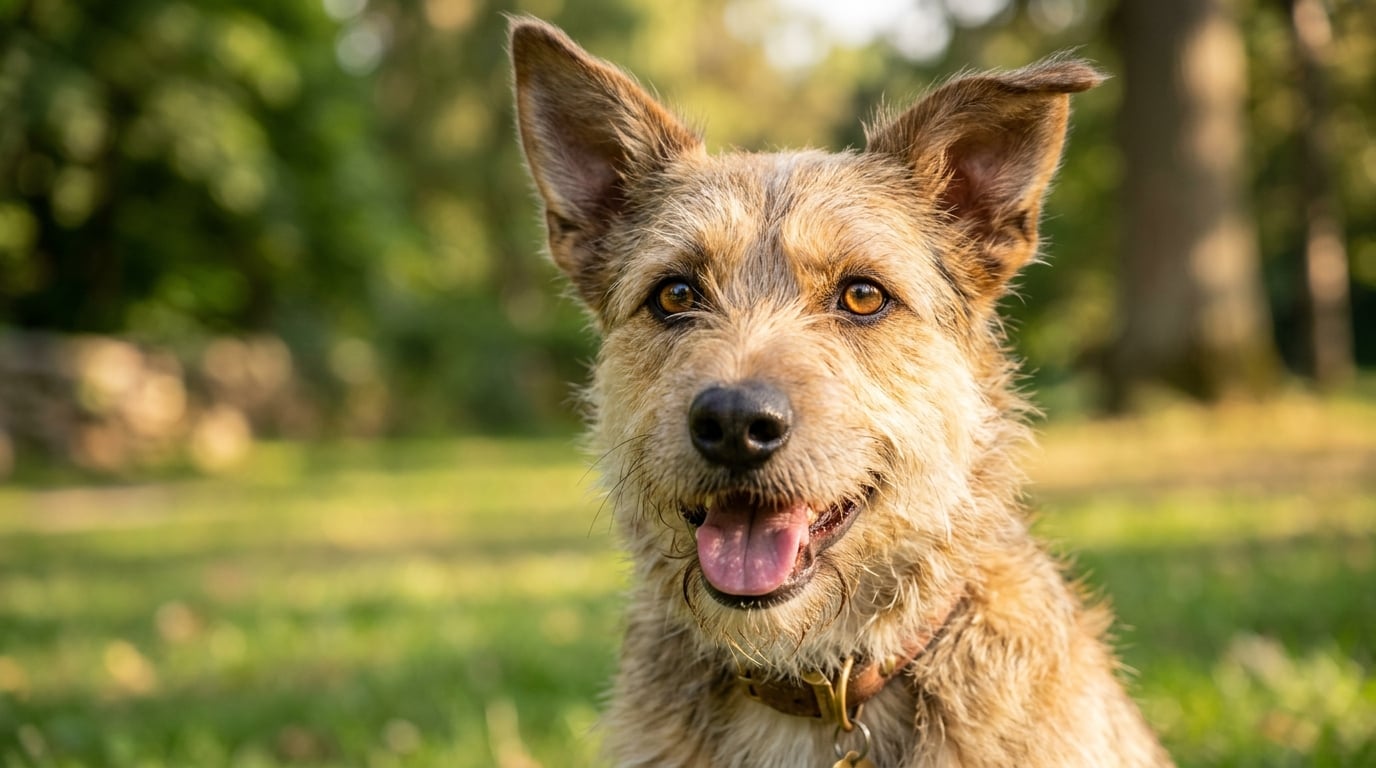
A relaxed dog carries its weight evenly, has a loose and gently wagging tail, soft eyes with visible but relaxed brows, and ears in a neutral or slightly forward position. The mouth may be open in an easy pant or gently closed. The body looks soft and wiggly rather than stiff. This is the dog who is comfortable in their environment and ready for positive interaction.
Learning to understand your dog better is a journey worth taking. Sign up for our free newsletter and get expert articles like this one delivered weekly.
Stress and Anxiety Signals
Stressed dogs show subtle signals long before they escalate to growling or snapping. Watch for lip licking when no food is present, yawning out of context, whale eye (showing the whites of the eyes), a tucked tail, ears pinned back flat, turning the head away, and excessive panting. A dog who freezes and goes rigid is communicating that they are deeply uncomfortable — do not reach toward or pet a dog in this state.
Fear vs. Aggression: Reading the Difference
Fearful dogs try to make themselves smaller. They crouch, tuck their tail, pull their ears flat, and lean or move away from whatever frightens them. Offensive aggression looks different: the dog leans forward, stands tall, raises hackles, holds the tail high and stiff, stares directly, and may show teeth with a wrinkled muzzle. Defensive aggression blends both postures — the dog is scared but feels cornered and will lash out to protect itself. Recognizing the difference helps you de-escalate safely.
Play Signals
The play bow — front end down, rear end up with a wagging tail — is the universal dog invitation to play. During healthy play, dogs alternate roles, take brief pauses, and show loose, bouncy movements. If one dog repeatedly pins, mounts, or chases without pausing, or if the other dog tries to hide or leave, intervene calmly. Good play has give and take.
What Tail Wagging Really Means
A wagging tail does not always mean a happy dog. Research shows that the speed, height, and direction of the wag all carry different information. A broad, full-body wag at medium height is generally friendly. A high, stiff, rapid wag can signal arousal or potential aggression. A low, slow wag may indicate insecurity. Context is everything — always read the tail together with the rest of the body.
Putting It All Together
Never interpret a single signal in isolation. Look at the whole picture: ears, eyes, mouth, body posture, tail, and the context of the situation. With practice, reading your dog's body language becomes second nature, and your relationship will be deeper and safer for it.
Sources & References
- ASPCA - Canine Body Language
- AKC - How to Read Dog Body Language
- Journal of Veterinary Behavior - Tail Wagging Laterality Studies
Happy Waggie Tails Editorial Team
Certified Pet Care Writers & Canine Health Specialists
The Happy Waggie Tails editorial team comprises experienced pet care writers and certified canine professionals who collaborate with licensed veterinarians to deliver accurate, practical, and compassionate dog care content for every life stage.
This article is part of our
Health & Wellness Guide