What Quality of Life Means
Quality of life is not just the absence of pain. It includes the ability to do things your dog enjoys: eating with appetite, comfortable rest, social interaction, mobility to reach favorite spots, and interest in their surroundings. A dog who is pain-free but lies in a corner with no interest in anything still has a diminished quality of life.
The HHHHHMM Scale
Veterinary oncologist Dr. Alice Villalobos created a quality of life scale assessing Hurt, Hunger, Hydration, Hygiene, Happiness, Mobility, and More good days than bad. Scoring each category from 1 to 10 provides an objective framework for monitoring your dog's overall wellbeing and identifying trends over time.
Maximizing Good Days
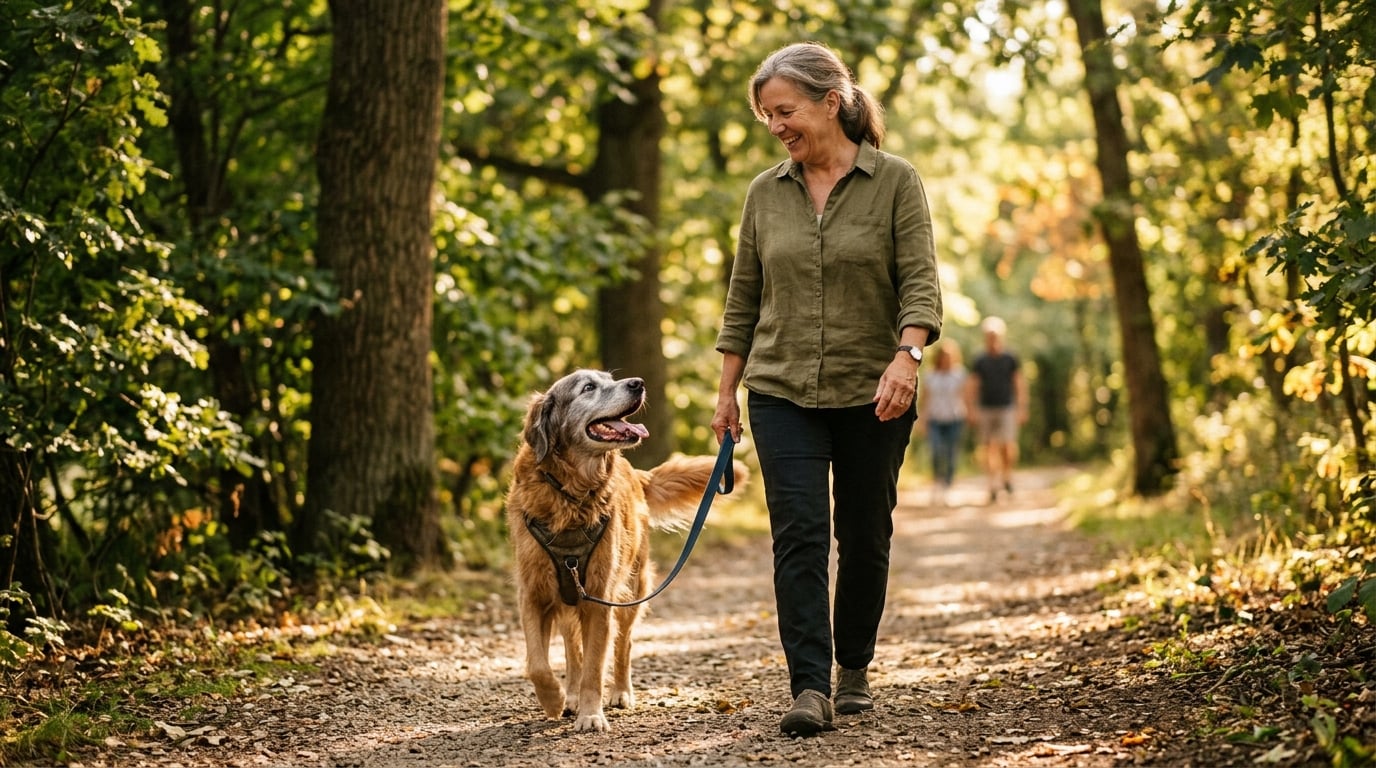
Adapt activities rather than eliminating them. If your dog loved long hikes, try shorter scenic walks with extra sniffing time. If they loved playing fetch, roll the ball gently instead of throwing it far. Bring their bed to where the family gathers. Maintain routines that give their day structure and purpose.
Having the Hard Conversation
When bad days outnumber good ones despite your best efforts, it is time to talk with your vet about end-of-life options. This is one of the most loving decisions a pet owner makes. Your vet can help you understand what your dog is experiencing and when intervention is the kindest choice.
Happy Waggie Tails Editorial Team
Certified Pet Care Writers & Canine Health Specialists
The Happy Waggie Tails editorial team comprises experienced pet care writers and certified canine professionals who collaborate with licensed veterinarians to deliver accurate, practical, and compassionate dog care content for every life stage.
This article is part of our
Senior Care Guide