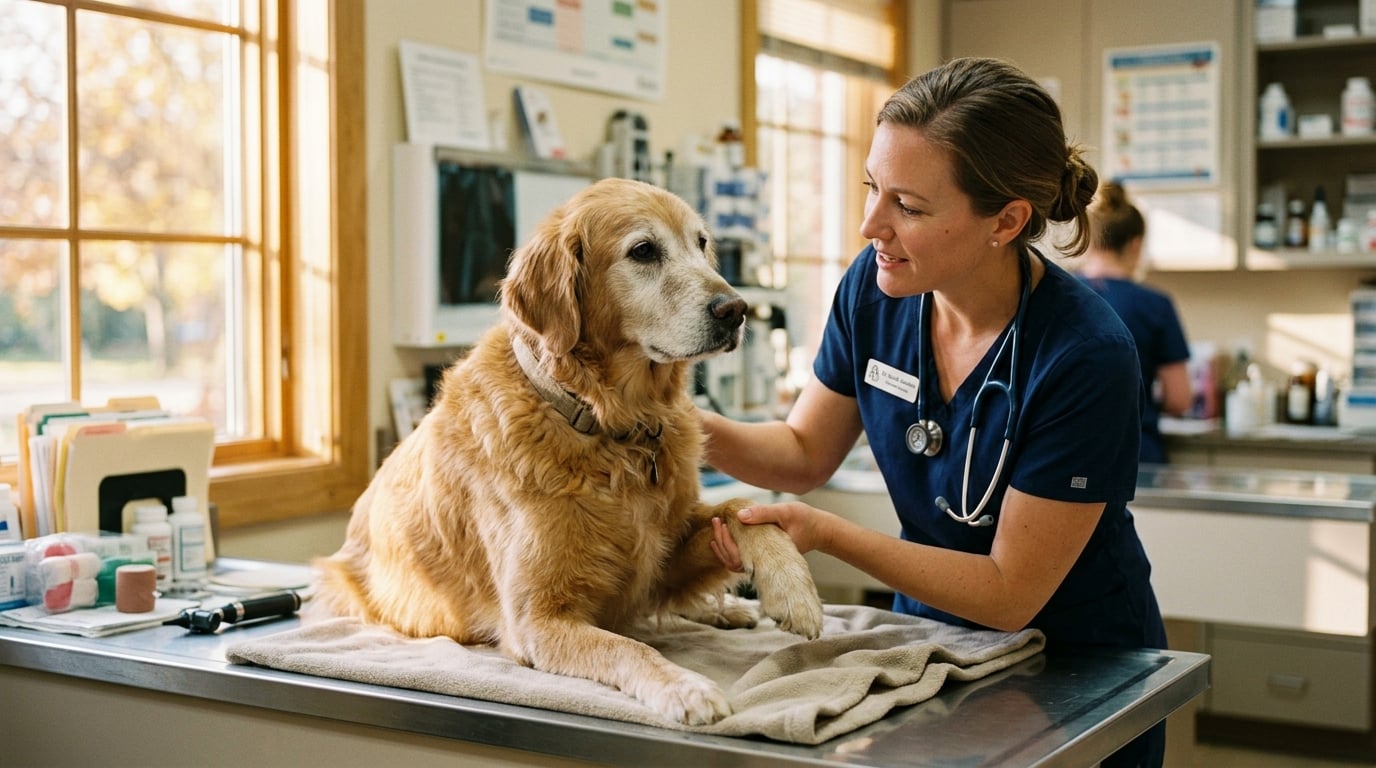
Why Twice-Yearly Visits Matter
Because dogs age approximately 5 to 7 years for every human year, a lot can change in 6 months. Twice-yearly exams catch conditions like kidney disease, thyroid imbalances, diabetes, and cancer earlier when treatment is more effective and less expensive. Think of it as seeing your doctor every 2.5 to 3.5 human years.
Blood Work and Urinalysis
Senior blood panels typically include a complete blood count (CBC), chemistry panel covering liver and kidney values, thyroid hormone levels, and urinalysis. These establish baseline values for your individual dog. Trends matter more than single results — a gradually rising kidney value is significant even if it is still within "normal" range.
Additional Screening
Your vet may recommend chest x-rays to check heart size and screen for lung tumors, abdominal ultrasound to evaluate organ health, blood pressure measurement, and eye pressure testing for glaucoma. Dogs in high-risk breeds may need specific screenings like cardiac ultrasound or orthopedic assessment.
Dental Evaluation
Dental disease accelerates in senior dogs and can significantly impact quality of life. Your vet will assess whether professional cleaning is needed and whether anesthesia is safe based on your dog's overall health. Modern anesthetic protocols are very safe for most senior dogs when properly evaluated.
Happy Waggie Tails Editorial Team
Certified Pet Care Writers & Canine Health Specialists
The Happy Waggie Tails editorial team comprises experienced pet care writers and certified canine professionals who collaborate with licensed veterinarians to deliver accurate, practical, and compassionate dog care content for every life stage.
This article is part of our
Senior Care Guide