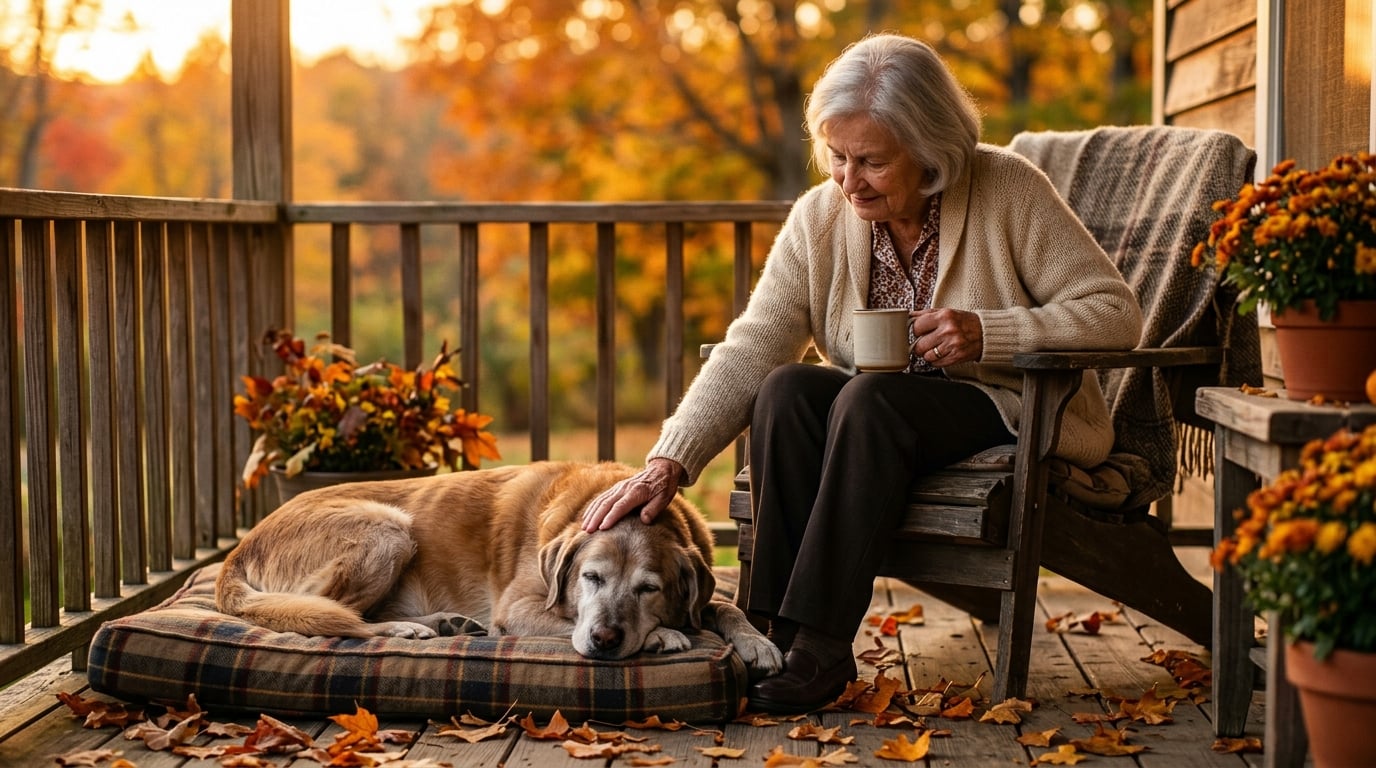
When to Say Goodbye: Recognizing End-of-Life Signs in Dogs
Knowing when your dog's quality of life has truly declined is one of the hardest decisions in pet ownership. Here is how to assess compassionately and clearly.
Jun 24, 2026 4 minRead
Helping your aging dog stay comfortable, active, and happy. Covers arthritis management, cognitive health, diet adjustments, mobility support, and quality of life.
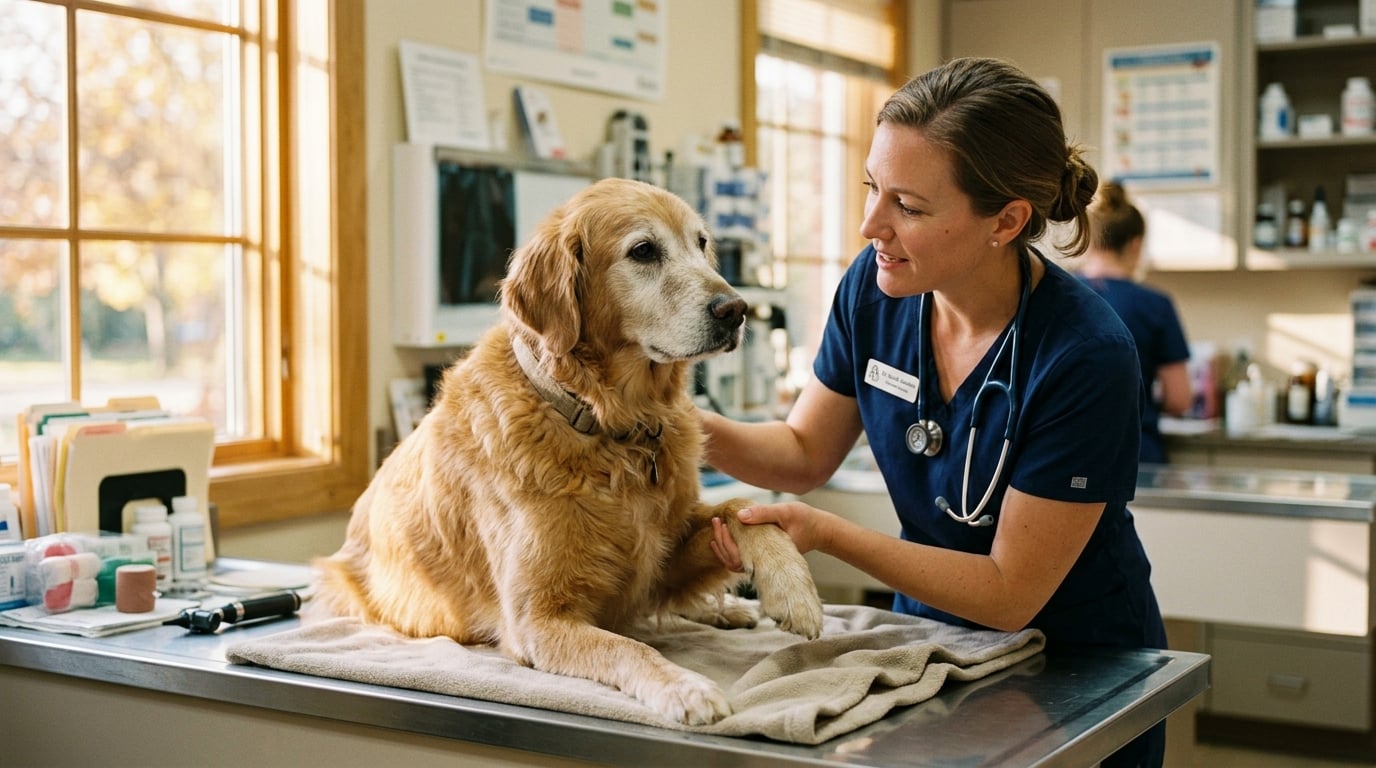
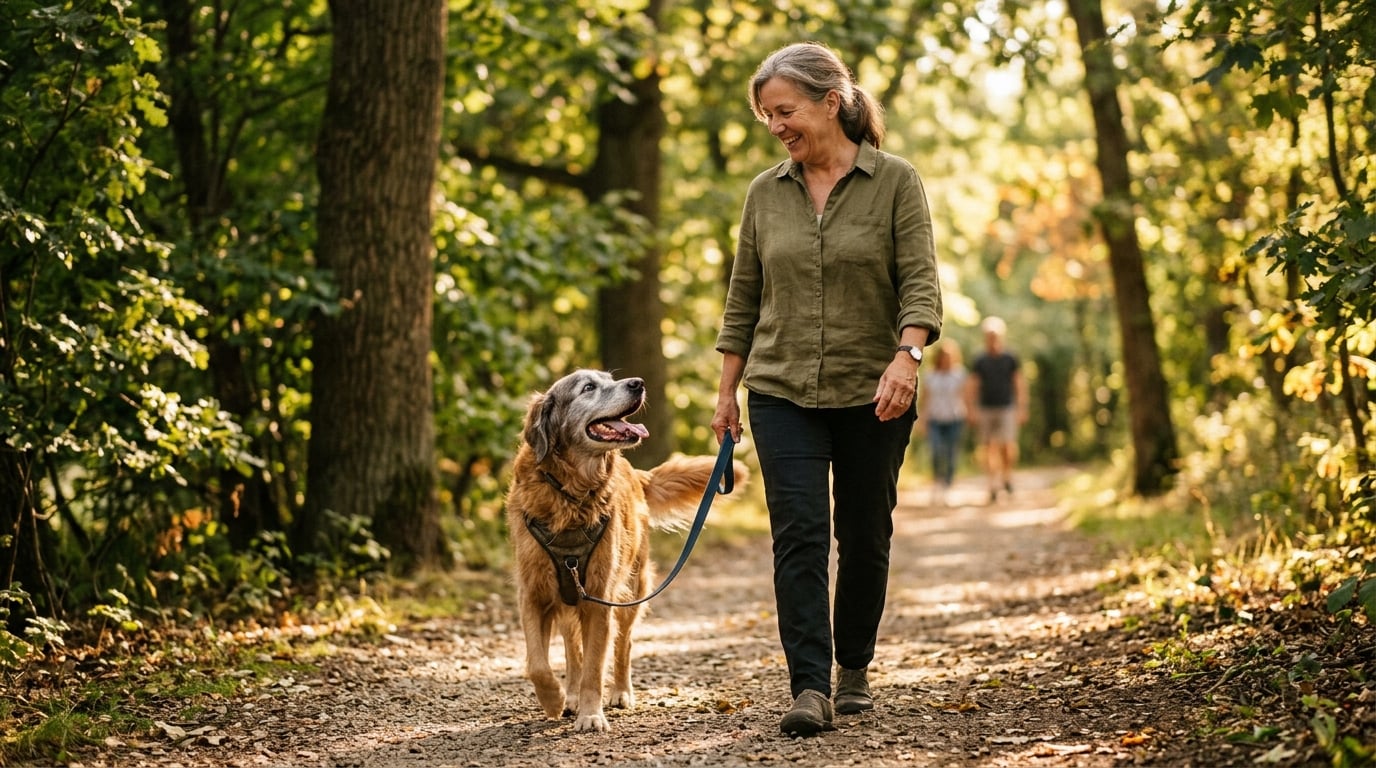
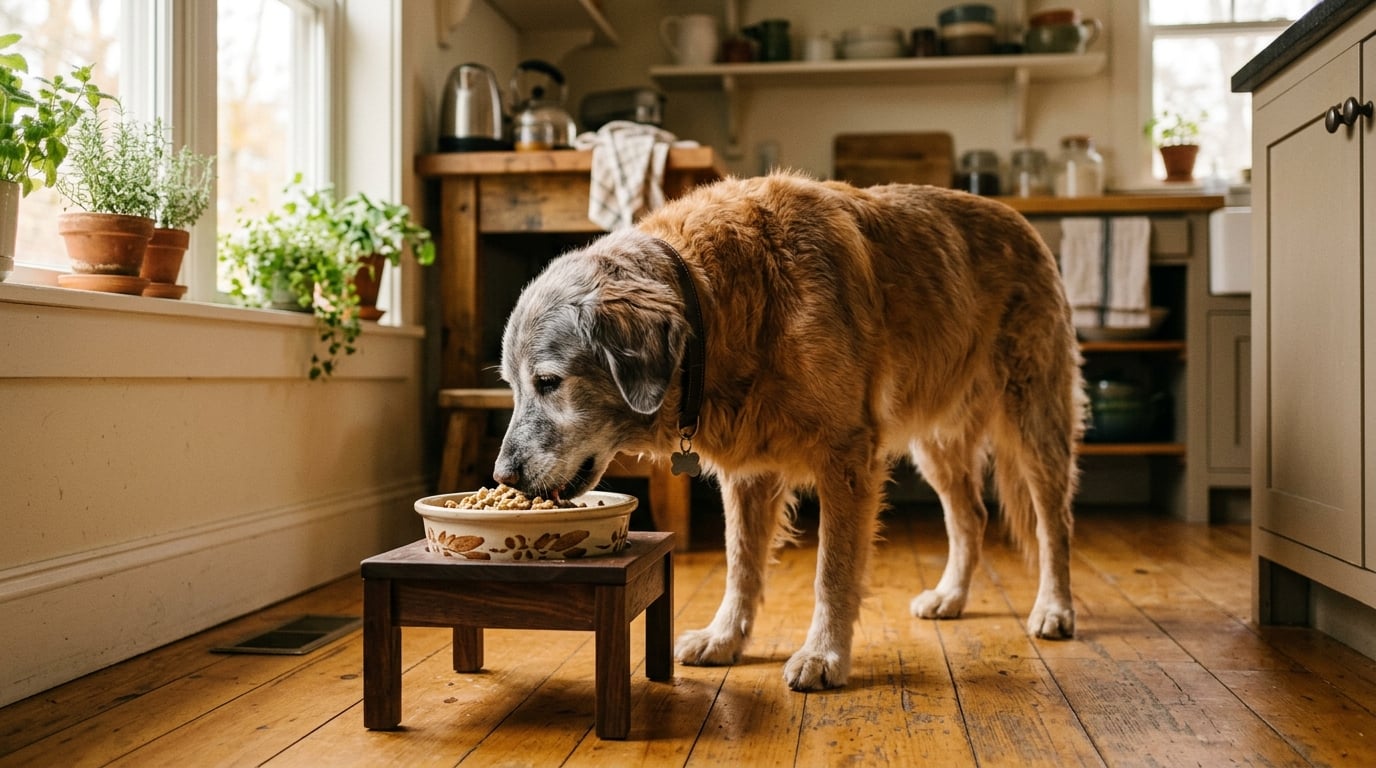
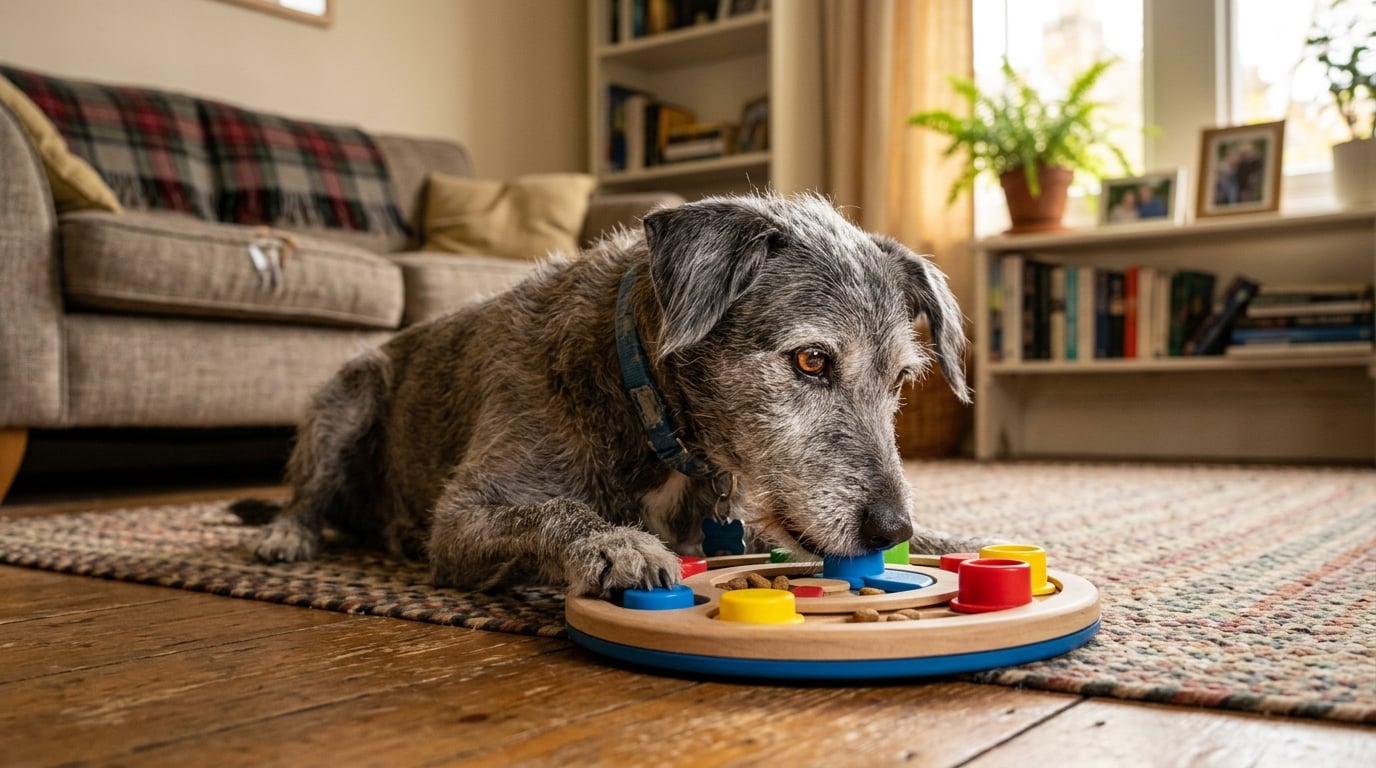
Dogs age faster than we expect. Most breeds are considered senior by age 7, and large breeds even earlier. Senior dogs need more frequent monitoring, adjusted nutrition, joint support, and thoughtful accommodations that preserve their comfort and independence as long as possible.
Our senior care guides help you recognize the signs of aging, manage arthritis pain, support cognitive function, adapt your dog's diet and exercise, and have honest conversations with your vet about quality of life. Growing old together can still be a wonderful chapter.

7 articles to help you on this topic
Get new articles in your inbox. No spam, just helpful content.