What Is Canine Cognitive Dysfunction
Canine Cognitive Dysfunction Syndrome (CDS) affects an estimated 28% of dogs aged 11 to 12 and over 68% of dogs aged 15 to 16. Like Alzheimer's in humans, it involves progressive brain changes that affect memory, learning, awareness, and behavior. It is underdiagnosed because symptoms are often attributed to "normal aging."
The DISHA Symptoms
Veterinarians use the DISHA acronym to identify CDS: Disorientation (getting stuck behind furniture, staring at walls), Interaction changes (less affectionate or clingier), Sleep-wake cycle disruption (pacing at night), House-soiling (forgetting house training), and Activity changes (less interest in play, repetitive behaviors).
Supporting Brain Health
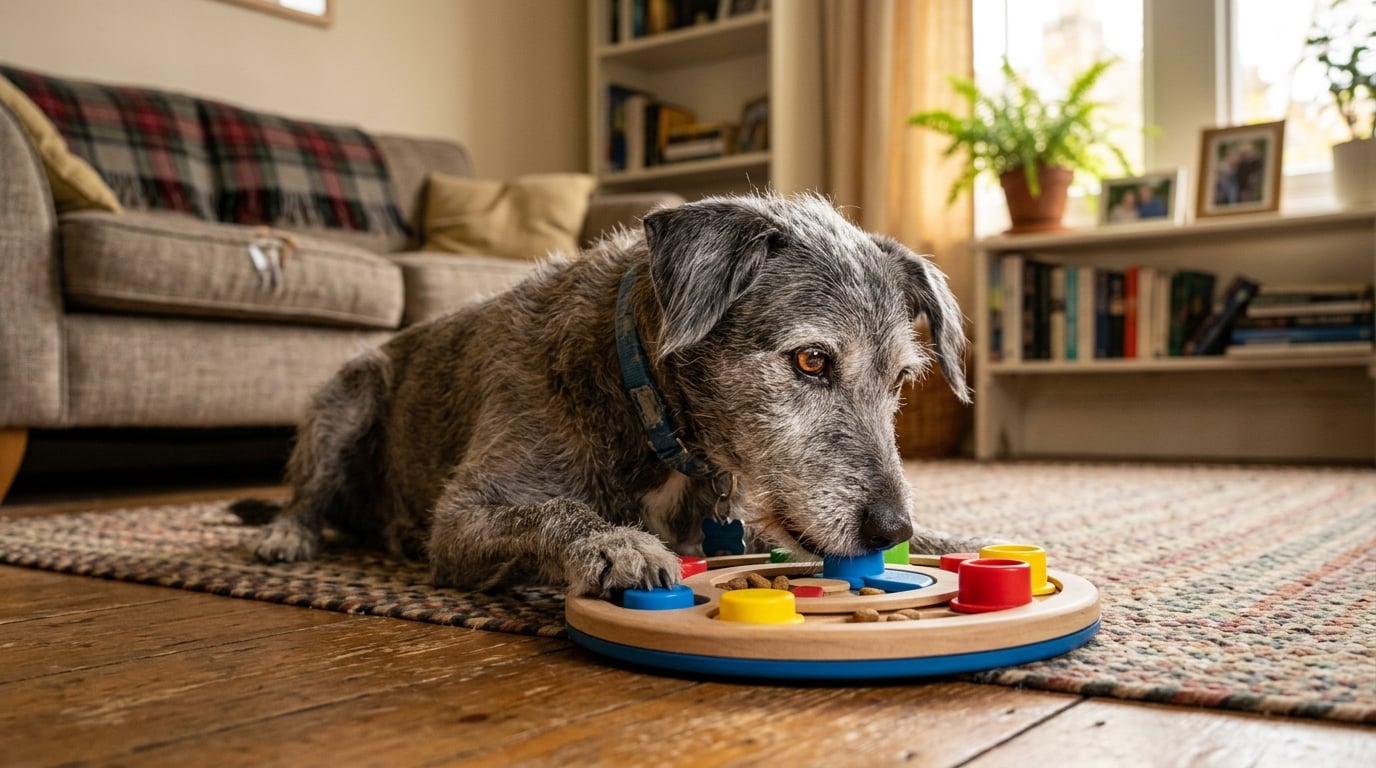
Mental enrichment slows cognitive decline. Continue training new tricks, rotate puzzle toys, allow sniff walks that engage the brain, and maintain social interaction. Diets enriched with antioxidants, omega-3 fatty acids, and medium-chain triglycerides show some evidence of supporting brain health in senior dogs.
Veterinary Management
Your vet may recommend selegiline (Anipryl), the only FDA-approved medication for canine cognitive dysfunction. Supplements like SAMe and melatonin (for sleep disruption) may also help. A consistent daily routine provides security for dogs who are losing cognitive function. Environmental predictability becomes more important than ever.
Sources & References
- AKC - Cognitive Dysfunction Syndrome
- Journal of Veterinary Internal Medicine - Canine Cognitive Dysfunction
Happy Waggie Tails Editorial Team
Certified Pet Care Writers & Canine Health Specialists
The Happy Waggie Tails editorial team comprises experienced pet care writers and certified canine professionals who collaborate with licensed veterinarians to deliver accurate, practical, and compassionate dog care content for every life stage.
This article is part of our
Senior Care Guide